The city of the future can no longer and must no longer be built on the logic of unlimited expansion. It must reconcile sobriety in terms of land use, social inclusion, functional diversity, soft mobility, citizen participation and innovation. This requires an overhaul of urban strategies. But where do we start? What operational levers should be used? And what are the pitfalls to avoid? Marion Lacombe, an expert in town and country planning and urban law, provides the answers.
On the one hand population growth which has led to increased pressure on land, infrastructure and public services, with growing urban sprawl. On the other hand ecological transition which requires us to limit our environmental footprint and adapt to climate risks, now as a matter of urgency. The succession of extreme weather events is a perfect example. The storms Nils and Pedro on 12 and 19 February 2026 caused €1.2 billion worth of damage, according to France Assureurs and CCR (Caisse centrale de réassurance).
Demographic growth and the ecological transition are therefore the two sides of the same coin which are forcing cities to review their development methods and urban strategies. This requires a forward-looking vision and a coherent strategy that takes account of regulatory constraints, in particular zero net artificialisation (ZAN), while paving the way for sustainable transformation. Densification, both vertical and horizontal, and intensification must become the watchwords for future urban development.
[Definitions]
densification consists of increasing the number of businesses or the built-up area within an already built-up but sparsely populated envelope. This can be done horizontally, by dividing plots of land, or vertically, by heightening the height of buildings or amending planning regulations to allow higher buildings.
L'intensification is to densify in areas with a wide range of amenities, such as public transport links, local shops, public services, employment areas, housing and recreational areas. The concept of intensity is therefore distinct from that of «density» in that it encompasses all the different uses of the city.
Here's how to do it.
Building the city of tomorrow on the basis of a shared territorial diagnosis
Diagnosis is the initial strategic phase. Firstly, it combines socio-economic analysis, ecological status and mapping of all the dynamics at work. It then makes it possible to’identifying assets (local resources, town centres, heritage, etc.) and vulnerabilities (flood risk, car dependency, fuel poverty, etc.) as well as’anticipating future needs (housing, employment, services, etc.). Lastly, this territorial diagnosis provides a shared understanding of local realities and enables ambitions to be aligned with objective data. Above all, it encourages prioritisation, in fine, The aim is to develop a strategy that is not only adapted to the region, but also sustainable.
At this stage, one of the main challenges is to identify the consumption of natural, agricultural and forestry areas (ENAF) over the reference period 2011-2021. Once this analysis has been carried out, the projection of a reduction of 50 % over the period 2021-2031 is possible. This will enable an urban development strategy to be defined, particularly in terms of land.
Cerema has provided public and private players with a tool for carrying out this analysis: the artificialisation portal. This tool allows you to view all the data at any scale (region, department, EPCI, commune).
[Checklist] Is your region ready for the city of tomorrow?
| A clear, shared political vision | ☐ |
| ZAN-compatible lenses | ☐ |
| Aligned urban planning documents | ☐ |
| A prioritised action plan | ☐ |
| Defined monitoring indicators | ☐ |
| Active and inclusive governance | ☐ |
| A capacity to adapt over time | ☐ |
Define objectives that are consistent with national and international frameworks
On the basis of this shared knowledge base, local authorities define a strategic vision for their area.
This must combining different timeframes with objectives :
- in the short term to meet urgent needs (affordable housing, mobility)
- in the medium term (job creation, redevelopment of vacant buildings)
- to strengthen resilience
These objectives must be broken down into consistent with national and international frameworks (sustainable development, national low-carbon strategy, ZAN) while integrating the local expectations These include land efficiency, climate resilience, quality of life, social inclusion and economic attractiveness.
Loos-en-Gohelle: the transition of a mining region
In the Pas-de-Calais department, Loos-en-Gohelle has become a benchmark in terms of territorial ecological transition. A former mining town, it has been gradually transforming its development model since the 2000s.
Examples of concrete actions taken
- Conversion of former mining sites based on the memory of mining, culture, the economy and the environment: the site is home to a number of economic activities centred on eco-construction
- Energy-efficient home renovation: more than 30 % homes renovated
- Development of renewable energy projects: for example, a photovoltaic solar power plant on the church
- Strong citizen participation in local governance
- Promoting the mining landscape and slag heaps, a UNESCO World Heritage Site
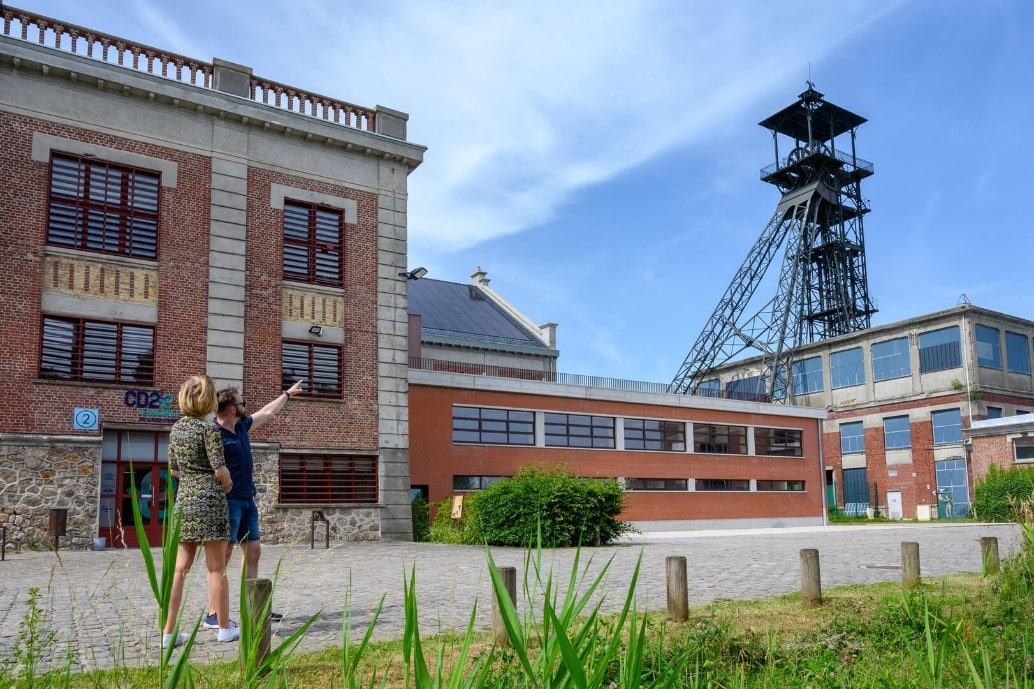
Source: DataTourisme62
Grande-Synthe: implementing a climate strategy
Grande-Synthe, near Dunkirk, is known for its ambitious climate resilience and social justice policies.
Examples of concrete actions taken
- Improving the quality of life and health of residents by developing shared gardens and urban agriculture
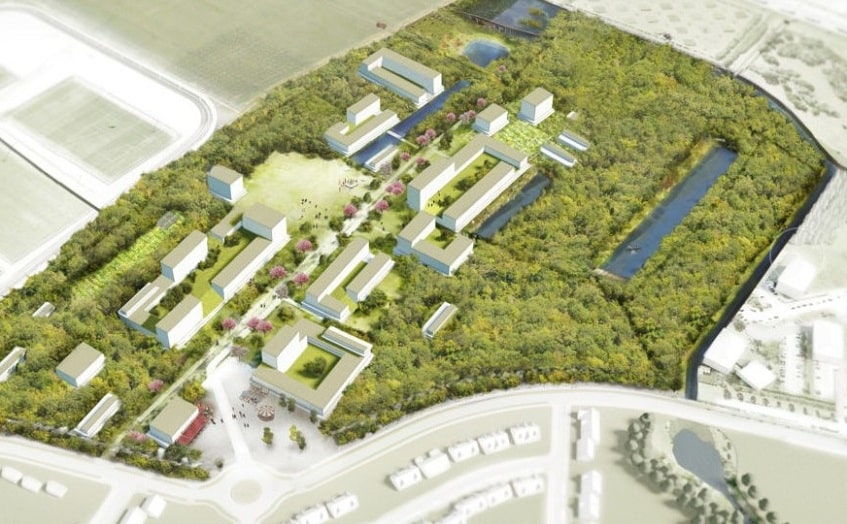
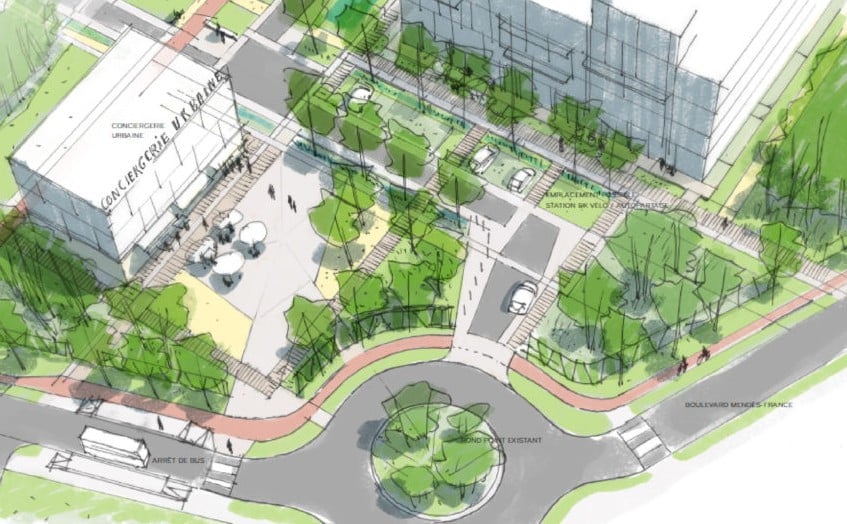
- Creation of the Basroch eco-neighbourhood based on the principle of an «inhabited landscape», with a view to sustainable development and with the aim of reclaiming a natural area while preserving it and integrating the town with nature in a respectful manner.
- Housing renovation through the NPNRU programme
- Adapting the city to climate change by greening public spaces
- Reducing greenhouse gas emissions
[Training] ZAN, zero net artificialisation in urban planning
Do you want to master the challenges of sober land use? Do you want to achieve ZAN through an appropriate land strategy? In this practical training course, you will learn how to identify your levers for action and build your land strategy using urban planning documents. The programme includes case studies and practical exercises. For example: in a group, using the information provided on the study area, you will first reconstruct the development scenarios and estimate the potential for densification and any need for extension. Then you reconstruct the development logic based on the ZAN levers and draw up a land strategy to simulate achieving the ZAN objective over the next decade.
Operational tools and levers to build the city of tomorrow
urban planning is THE main lever for achieving these objectives. In fact, regulatory documents (SCOT, PLU, PCAET) must take into account sobriety in terms of land use, functional mix and nature in the city.
Similarly, the targeted densification, there converting brownfield sites and the integration of ecological corridors reduce the ecological footprint of urban development. Technological innovations (smart cities, energy sensors, intelligent network management, etc.) and nature in the city (urban forests, green roofs) strengthen resilience while improving quality of life.
Grenoble: the Bonne eco-district
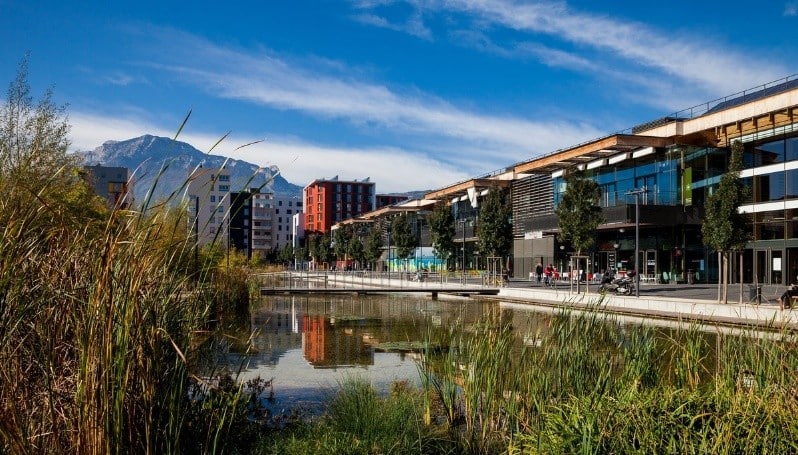
The ZAC de Bonne eco-district is one of France's first emblematic sustainable urban renewal projects.
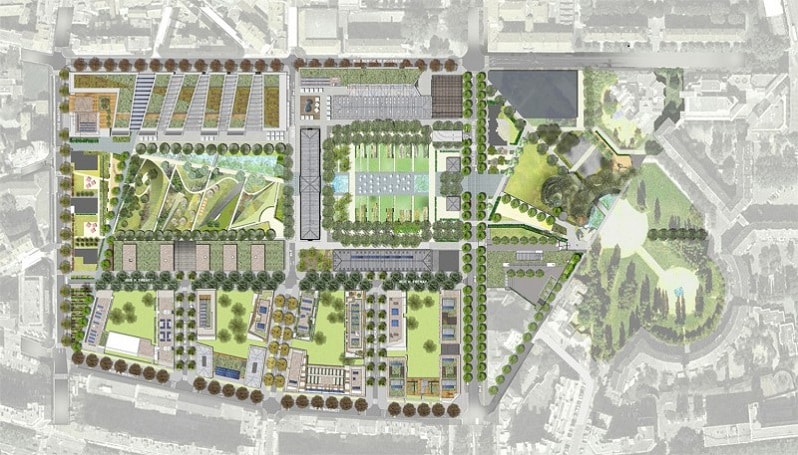
It is a perfect example of how urban planning can give practical expression to sustainable development objectives. Built on the site of a former military barracks, this district combines housing, shops and green spaces, while incorporating high energy performance buildings and a central urban park. This type of project demonstrates that it is possible to urban sprawl can be limited by reusing land that has already been developed.
The project covers approximately 8 hectares and includes the following:
- around 850 homes
- 15,000 m² of retail space
- 5,000 m² of office space
- a large central urban park
Nearly 30 % of the district's surface area is given over to green spaces, With a large central urban park promoting biodiversity and climate comfort.
The public spaces have been designed to :
- encourage green spaces
- improve the urban microclimate
- creating meeting places for local residents
[Also read] The city of tomorrow: smart city or low-tech city?
The smart city and the low-tech city are two different approaches to meeting the challenges of today's cities. Improving citizens' quality of life, tackling the consequences of climate change, preserving the environment, saving energy... Cities can turn to smart city solutions that rely heavily on digital technologies. Or they can opt for a low-tech approach that favours simple technical solutions. And why not both?
Governance and participation: the city of tomorrow as a collective project
Unfortunately, a sustainable urban strategy cannot be decreed; it has to be co-constructed with the stakeholders.
Involving residents, associations, businesses and institutions right from the design stage encourages ownership of projects and their social acceptability.
For example, an urban renewal project for a business park (ZAE) cannot be carried out without the companies that are based there, because they often control the land. Without land that is controlled or can be controlled, it is quite simply impossible to develop the town.
Lille: the conversion of the Fives-Cail-Babock industrial site
This conversion illustrates the importance of land management in urban renewal projects. A former metallurgical plant, the site has gradually been transformed into a Mixed neighbourhood hosting business activities, public facilities and housing. This transformation has only been possible thanks to close collaboration with the owners and companies involved, an essential condition for freeing up and restructuring the land.
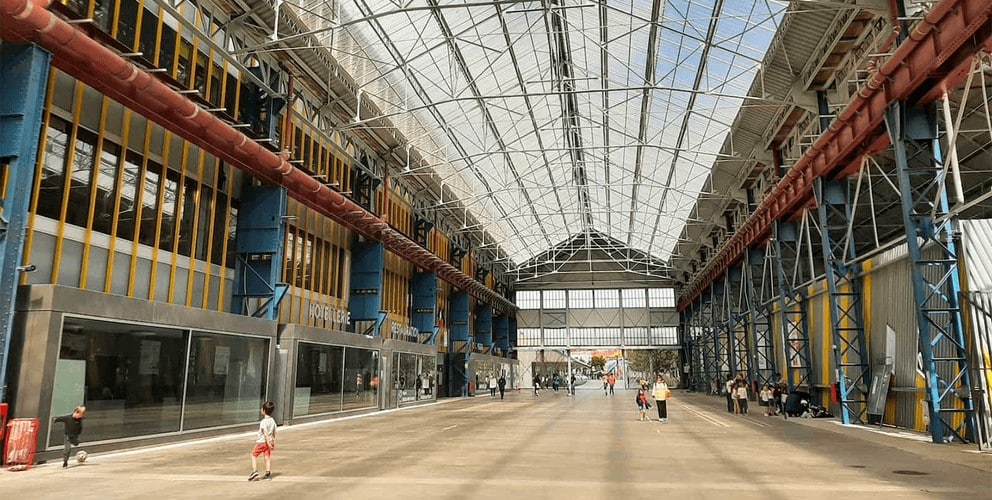
Source : https://cerdd.org/initiatives/fives-cail-la-metamorphose-d-une-friche-en-ecoquartier/f8038c81-6ba3-48db-af5e-92449d3b78a9
What's more, the participative approaches (workshops, citizens' budgets, digital consultations) enrich the collective debate and ensure that the city of tomorrow truly meets the needs of its users.
Paris: the city's participatory budget at the service of the city of tomorrow
In Paris, the participatory budget allows residents to propose and vote for urban development projects in their neighbourhoods. Since 2014, more than a thousand projects have been funded under this scheme, ranging from greening public spaces to creating shared gardens. This approach illustrates how citizen participation can enrich the design of urban projects and better meet the needs of local residents.
Implementing the city of tomorrow: management, financing and agility
Firstly, the strategic vision is translated into a a prioritised, realistic action plan. This implies :
- coordinating public and private players
- mobilise financing (European funds, public-private partnerships, ecological taxation, coercive and incentive tools)
- taking a long-term approach
Furthermore, management must remain agile in order to adapt to unforeseen circumstances, regulatory changes and innovations. How many strategies have fallen apart because they failed to be agile and adapt to economic or regulatory changes? The most recent example of this is the Triangle de Gonesse project in the Île-de-France region, which was abandoned in 2019 with the emergence of ZAN. The project involved the urbanisation of 110 hectares of farmland.
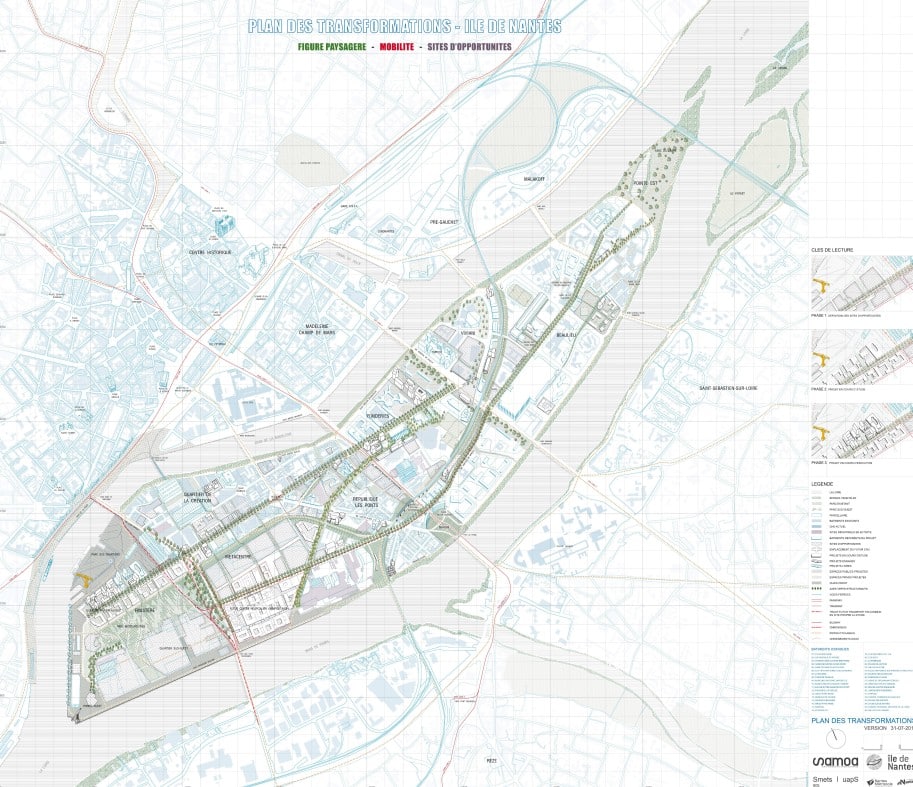
The successful conversion of the Île de Nantes
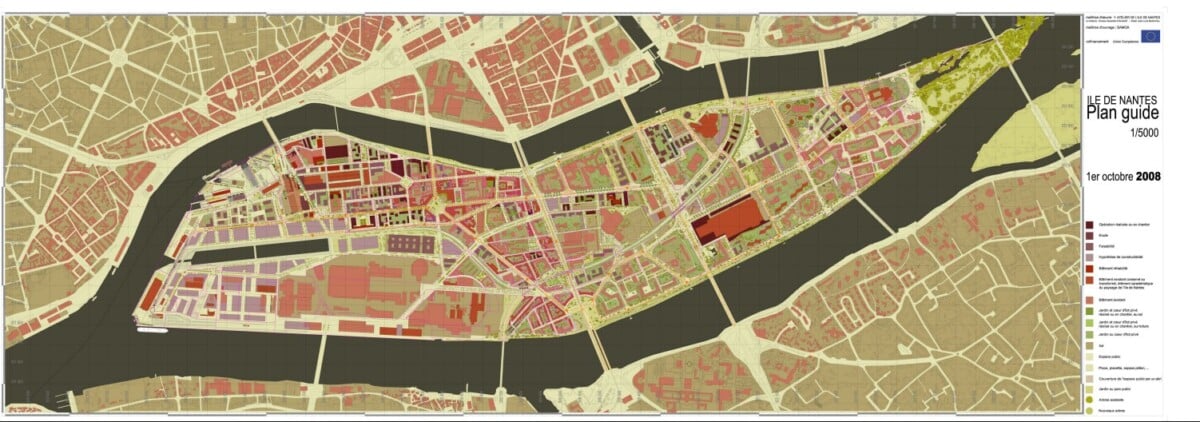
In Nantes, the Île de Nantes transformation project is often cited as an example of successful long-term strategic planning. A former port and industrial zone, the island began to be reconverted in the early 2000s.
The project has never stood still. It has evolved in line with the area's economic transformations, new urban uses and different environmental priorities.
The conversion of the former shipyards was initially intended to accommodate traditional economic and real estate activities. But faced with the difficulty of attracting investors quickly and the desire to give the area a strong identity, the city has redirected the project towards a cultural and tourist dimension.
Similarly, the building programme has been regularly adjusted. In the early 2000s, the team led by Alexandre Chemetoff favoured a very gradual approach: testing uses, retaining certain existing elements and allowing the project to evolve.
In the 2010s, a new team led by Marcel Smets took over the project to give the urban development more structure, with more housing, clearer organisation of public spaces and gradual densification.
The project has therefore been adjusted to meet demographic growth and urban needs.
Today, the district is home to housing, schools and universities, economic and cultural activities and large public spaces.
Source : Île de Nantes
Monitoring and evaluating the city of tomorrow
Finally, a successful strategy is one that can be quantified, i.e. one that can be evaluated, both quantitatively and qualitatively. Evaluation is based on environmental, social and economic indicators.
Impact analysis (carbon reduction, increased use of soft mobility, improved quality of life, etc.) and transparent reporting make it possible to revise the strategy and ensure that it is up to date. long-term resilience. Feedback from benchmarks and regional observatories feeds a dynamic of continuous improvement.
Examples of indicators that can be put in place
1/ Land use efficiency indicators
- Consumption of natural, agricultural and forest areas (ENAF) (change in built-up area over a given period)
- Annual rate of artificialisation (surface area artificialised/total surface area)
- Share of urban renewal (% of projects carried out on derelict or already urbanised land)
- Average urban density (number of dwellings or m² of commercial space per hectare)
- Surface area of brownfield sites converted (number of hectares rehabilitated)
2/ Environmental indicators
- Territorial CO₂ emissions (evolution of the territory's carbon impact)
- Surface area of green spaces (share of nature in the city)
- Rate of desoiling (change in surface area of soil made permeable)
- Urban biodiversity index (presence of species and ecological continuity)
- Average urban temperature (urban heat island effect)
3/ Social and economic indicators
- Percentage of accessible housing (housing accessibility)
- Accessibility to services (average access time to facilities)
- Share of soft mobility (rate of journeys made on foot or by bicycle)
- Local job creation (annual change in the region's economic dynamic)
- Resident satisfaction (perceived quality of life)
Building the city of tomorrow requires a systemic approach, combining regulatory planning, technological innovation and participative governance. Local authorities with a forward-looking vision and rigorous management can turn urban and climate constraints into opportunities to transform their territory into a resilient, inclusive and resource-efficient city.